Suitability
Client shares a high-level signal. CDM tests fit without requesting confidential material.
A decision to stop, continue or define safeguards. RORISTUDIOSCreated by CDM
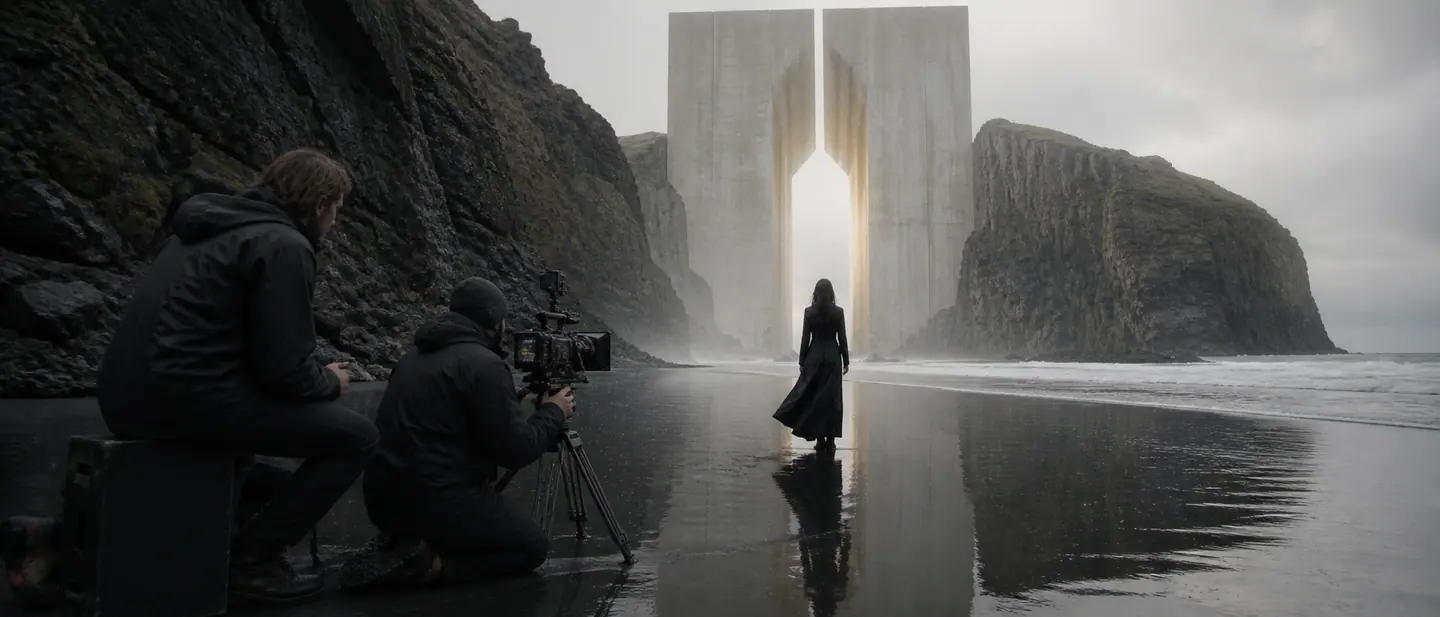
How a commission works
RORI’s creative journey and its operating pathway are different views of the same production. One protects the idea. The other names who decides, pays, delivers and carries risk.
See the seven gatesAvailable now
RORI is founding-stage. The current public invitation is an introductory conversation about fit. No commission begins until the responsible operating entity, named leadership, scope, rights, budget, schedule, safeguards and delivery obligations are confirmed in writing.
Studio Atlas describes the creative capability model. It does not claim permanently staffed departments, owned facilities or pre-appointed partners.
Client shares a high-level signal. CDM tests fit without requesting confidential material.
A decision to stop, continue or define safeguards.The parties identify the operating counterparty, named project lead, approved reviewers and specialist needs.
A written development scope and responsibility map.Creative ambition is translated into scenarios, dependencies, safety needs, partner appointments and review gates.
An approved production basis with visible trade-offs.Rights, credit, compensation, approvals, access, security, insurance and exit terms are documented.
Authority to begin the agreed work.The named producer holds schedule, safety and delivery while creative leads protect the approved intent.
Traceable production decisions and captured material.Picture, sound, music, localisation, VFX and finish pass through agreed review authority.
An approved master, not an endless chain of opinions.Final masters, versions, credits, rights records and agreed production files are checked and transferred.
A documented handover and acceptance record.Capability ownership
The exact people and legal counterparties are project-specific. This matrix defines the seats that must be filled; it does not pretend those appointments already exist.
Approves proposition, scope, budget, key gates and final acceptance.
Protects the approved dramatic and aesthetic intent across activated practices.
Owns schedule, budget, safety, contracting, partner coordination and delivery.
Own their credited craft decisions within the agreed brief and review structure.
Support exploration and production; never hold authorship, approval or accountability.
Before material is shared
The first conversation should establish fit and safeguards—not extract the substance of an unprotected idea.